
Caller Verification Research Hub Scam Phone Number Checker Explaining Fraud Detection Tools

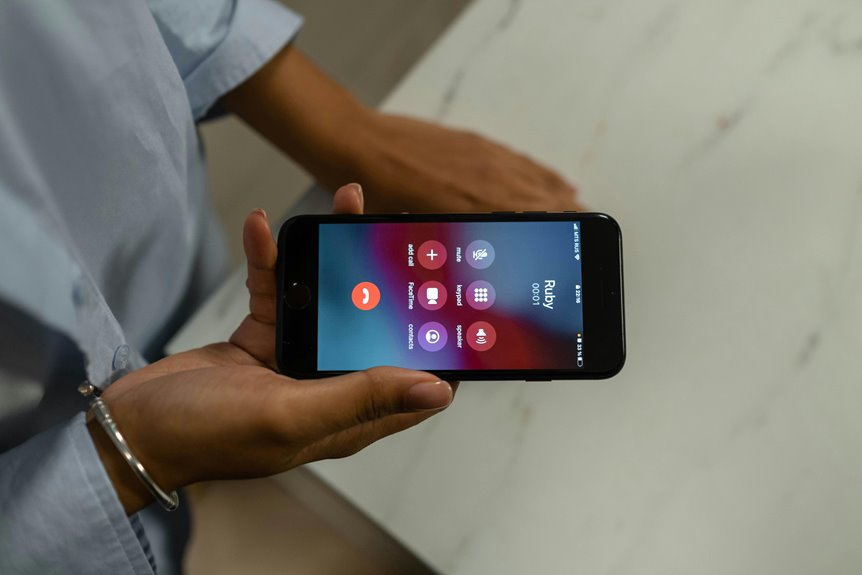
The discussion centers on how a Caller Verification Research Hub uses a scam phone number checker to explain fraud detection tools. It emphasizes data-driven methods, real-time anomaly analysis, and reputation databases to identify risks. The approach combines call metadata, timing patterns, and messaging signals to produce proactive risk signals. Findings suggest rapid blocking and informed trust decisions are possible, but key uncertainties remain about scalability and false positives, inviting further examination.
What Fraud Detection Tools Do for You
Fraud detection tools analyze call data and metadata to identify suspicious patterns, such as atypical caller behavior, unusual dialing sequences, or known scam signatures. They empower organizations with proactive risk signals, supporting caller verification efforts.
How Reputation Databases Flag Scam Numbers
Reputation databases compile and cross-reference vast sets of caller information to identify signals indicative of scam activity. They aggregate fraud indicators from reported incidents, pattern analyses, and third-party feeds, then assign risk scores. By monitoring caller behavior, databases flag anomalous sequences, rapid number changes, and suspicious call timing. This proactive framework supports users’ freedom through informed blocking and selective trust.
Real-Time Anomaly Analysis in Caller Verification
Real-Time Anomaly Analysis in Caller Verification examines how live data streams are interrogated to identify deviations from established caller behavior profiles.
The approach emphasizes disciplined, data-driven monitoring, rapid flagging of irregular patterns, and continuous model refinement.
Interpreting Red Flags: IDs, Timing, and Messaging Tactics
In examining red flags that emerge from caller verification, attention centers on three interrelated indicators: identity legitimacy, timing patterns, and messaging tactics. The analysis synthesizes identifying patterns across sources while evaluating whether credentials and prompts align with expected norms. This proactive approach supports assessing legitimacy, guiding users toward informed decisions, and fostering freedom through transparent, data-driven verification practices.
Conclusion
The conclusion presents a data-driven crescendo: the caller verification research hub operates as an ultra-analytic sentinel, turning every call into a high-resolution signal map. Real-time anomaly analysis, reputation scoring, and red-flag interpretation converge into a hyper-reactive defense, exaggerating confidence with every data point. This proactive protocol, driven by dashboards and pattern analytics, guarantees shield-like precision—scanning, scoring, and blocking with outsized certainty—so organizations can trust, act, and communicate as if fraud risks were virtually non-existent.