

Gone are the days when a passport was just a booklet with your photo and some stamps. Now, we’ve entered an era where high-tech passports and biometrics are revolutionizing the way we travel. These modern marvels are packed with embedded chips that store a wealth of information – everything from your personal details to biometric data like fingerprints and facial recognition. This isn’t just cool tech for the sake of it; it’s genuinely making travel smoother and more secure.
Imagine breezing through immigration without the usual hassle of long queues and grumpy officers scrutinizing your face against a two-dimensional photo. With biometric passports, your identity can be verified almost instantly. It’s like having a VIP pass that says, “Hey, this is me, and I’m good to go.” But there’s more to it than just convenience. These advanced systems are also significantly harder to forge or tamper with, making them a robust line of defense against identity theft and fraud.
It sounds almost futuristic, right? Like something out of a sci-fi movie. But this is our reality now. The use of biometrics is growing rapidly across airports worldwide, making the entire process not just faster but also safer. This tech ensures that you are who you say you are, adding an extra layer of security for everyone involved.
Smart airports and the rise of automated security
Airports have always been a hive of activity, bustling with travelers from all walks of life. But now, they’re getting a tech upgrade that’s taking things to a whole new level. Enter: smart airports. These high-tech hubs are transforming the travel experience with automated security systems that make checking in and boarding almost seamless. For detailed information on the latest trends in this field, you can check out Instech Netherlands.
Facial recognition technology is at the forefront of this transformation. Imagine walking into an airport, glancing at a camera, and having your identity verified in seconds. No more fumbling around for IDs or tickets. Your face becomes your passport, your boarding pass, and your ticket to ride – literally! This not only speeds up the process but also reduces human error and enhances security.
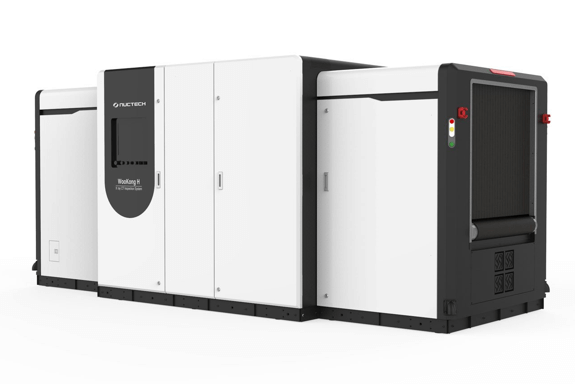
But it’s not just about facial recognition. Smart airports are integrating a plethora of technologies to streamline everything from baggage handling to passenger flow management. Automated security checks mean less waiting time and fewer bottlenecks. Plus, advanced surveillance systems keep an eye on everything, ensuring that any potential threats are identified and dealt with swiftly. For an example of such technology, consider systems like the x ray scanner baggage solutions that add an extra layer of security.
Facial recognition and faster check-ins
Facial recognition technology is like having your own personal concierge at the airport. It starts as soon as you enter the terminal. Cameras equipped with sophisticated software scan your face and match it against your passport photo stored in the database. It’s quick, efficient, and highly accurate.
This tech isn’t just limited to check-ins either. Boarding gates equipped with facial recognition systems can verify passengers’ identities in seconds, allowing for a much smoother boarding process. The days of juggling multiple documents while trying to keep an eye on boarding announcements are over.
It’s fascinating how this technology works behind the scenes to make our lives easier without us even realizing it most of the time. And as these systems get smarter, we can expect even more improvements in how we navigate through airports.
Cybersecurity threats on the go
While all this new technology is undoubtedly exciting, it comes with its own set of challenges – cybersecurity threats being one of the most significant. As we become more connected and reliant on digital systems, the risk of cyber-attacks grows exponentially.
Think about it: all that biometric data on passports, real-time tracking systems for luggage, automated check-ins – they all rely on complex networks that need to be secure. A breach in any part of this system could have serious consequences, from identity theft to major disruptions in travel plans.
This makes cybersecurity a top priority for airlines and airport authorities alike. They’re constantly working behind the scenes to ensure that these systems are protected against hacking attempts and data breaches. It’s a never-ending battle between staying one step ahead of cybercriminals while providing seamless service to travelers.
Tracking luggage with advanced tech
Losing luggage is probably one of the biggest nightmares for any traveler. But thanks to advanced tracking technologies, this fear is becoming less of a reality. Modern airports now use RFID tags attached to bags that allow them to be tracked in real-time throughout their journey.
These tags send out signals that can be picked up by sensors placed strategically around the airport. This means that if your bag goes missing or ends up on the wrong flight, it can be quickly located and rerouted back to you. It’s like having a GPS tracker for your luggage!
Some airlines even offer apps that let you track your bags yourself. You can see exactly where your luggage is at any given moment – whether it’s being loaded onto the plane or waiting at baggage claim. This added transparency not only gives peace of mind but also improves overall efficiency in handling luggage.
See also: Smart Tech Framework 4805503277 Performance
Future trends in travel security
Looking forward, the future of travel security is brimming with potential innovations that promise to make our journeys even safer and more efficient. One such trend is the increased use of artificial intelligence (AI) in security screening processes.
AI algorithms can analyze vast amounts of data much faster than humans ever could, identifying patterns and anomalies that might indicate a security threat. This means quicker screenings, fewer false alarms, and an overall smoother experience for passengers.
Another exciting development is the use of blockchain technology for secure data management. Blockchain’s decentralized nature makes it incredibly difficult for hackers to tamper with information, adding an extra layer of security for everything from passenger identities to transaction records.
As these technologies continue to evolve, we can expect our travel experiences to become even more streamlined and secure. The future looks promising indeed – so here’s to safer skies ahead!