

Modern F&B software systems have evolved well beyond simple point-of-sale terminals into interconnected ecosystems that touch nearly every part of a restaurant’s operations. Understanding how these different components work together helps business owners make more informed technology decisions.
From Standalone Tools to Integrated Ecosystems
Many F&B businesses historically cobbled together separate tools for ordering, payments, and inventory, often resulting in disconnected data and duplicated manual work. Modern F&B software systems aim to unify these functions, allowing information to flow automatically between ordering, kitchen operations, and back-office reporting without staff needing to manually reconcile data across multiple platforms.
Front-of-House Components
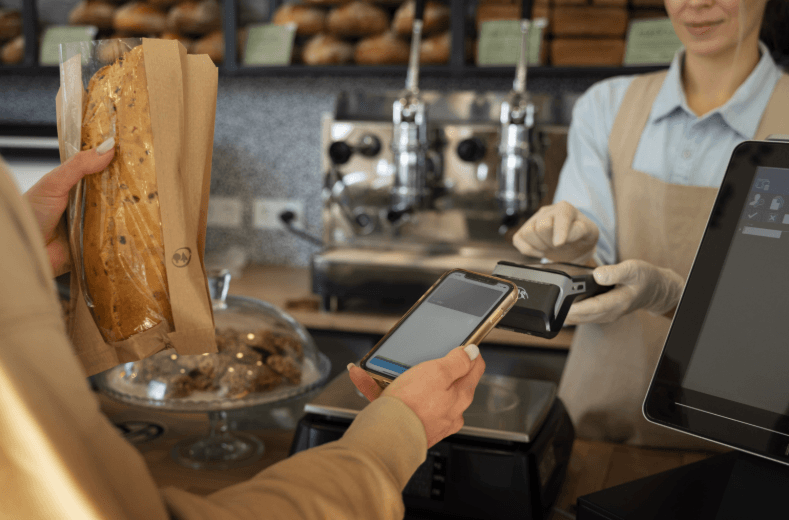
The front-of-house layer of an F&B software system typically includes order taking — whether through staff terminals, self-service kiosks, or customer-facing apps — along with table management and payment processing. This layer directly shapes the customer experience, making its reliability and speed particularly important to get right.
Back-of-House Coordination
Behind the scenes, F&B software systems coordinate kitchen display screens, inventory tracking, and staff scheduling, helping ensure that what happens in the kitchen and storage areas stays aligned with what’s happening at the front counter or dining room. This coordination reduces the kind of miscommunication that leads to delayed orders or inventory discrepancies.
Data and Reporting as a Connective Layer
One of the most valuable aspects of an integrated F&B software system is the reporting layer that ties everything together, giving owners and managers a consolidated view of sales trends, inventory usage, and staff performance without needing to cross-reference multiple disconnected sources manually.
Evaluating a Complete System
When comparing F&B software systems, it’s worth evaluating not just individual features but how well the different components work together as a cohesive whole. You can review the f&b software systems available to understand how an integrated approach can streamline your specific operations.
Frequently Asked Questions
Q1: What’s the difference between standalone POS software and a full F&B software system? Standalone POS software typically handles only payment and order processing, while a full F&B software system integrates additional functions like inventory, kitchen coordination, and reporting into a unified platform.
Q2: Can F&B software systems integrate with existing hardware? Many modern systems are designed to work with common hardware setups, though compatibility should be confirmed directly with the software provider before committing to a purchase.
Q3: Is data security a concern with integrated F&B software systems? Reputable providers implement security measures to protect payment and customer data, and it’s worth reviewing a system’s specific security practices as part of your evaluation process.
Conclusion
Understanding the full ecosystem behind modern F&B software systems — from front-of-house ordering to back-office reporting — helps operators appreciate how an integrated approach can meaningfully reduce operational friction across their business.