
Caller Identification Discovery Portal Spam Caller Lookup Explaining Spam Verification Tools

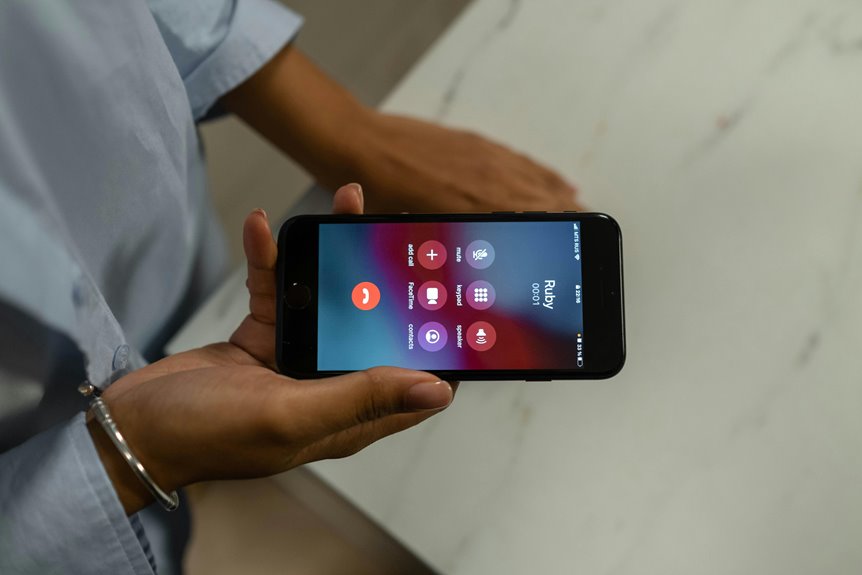
The Caller Identification Discovery Portal employs standardized spam verification tools to assess call legitimacy. Each signal—from historical patterns, metadata, and behavioral analytics—contributes to a composite risk score. The system alerts on anomalies and flags potential spoofing while preserving privacy safeguards. Telemetry and attestations enable auditable decisions for trusted overseers. This methodical approach raises technical questions about data sources and decision thresholds, inviting further examination of how defenses adapt to evolving spoofing tactics.
What Is the Caller Identification Discovery Portal?
The Caller Identification Discovery Portal is a centralized online resource that aggregates and presents information about incoming calls, enabling users to verify caller identities and assess potential spam or spoofing risks. It systematically catalogs metrics, sources, and provenance, supporting caller identification and spam verification analyses. Researchers and users gain transparent, precise data flows, fostering informed decision-making and freedom from deceptive communication.
How Spam Verification Tools Flag Scam Numbers
In the Caller Identification Discovery Portal, spam verification tools assess incoming numbers by applying a standardized set of detection signals to classify potential threats. Each signal contributes to a composite risk score, enabling automated flags and human review. Verification tools rely on historical patterns, call metadata, and behavioral analytics to support scam detection while preserving user autonomy and trust.
How Spoofing Is Detected and Prevented
Spoofing detection and prevention employ a layered approach that verifies caller identity by comparing signaling data, authentication attestations, and call-path integrity across networks.
Call spoofing detection relies on cryptographic attestations and anomaly analysis to flag mismatches.
Caller authentication evaluates enrolled identities, device fingerprints, and session proofs, enabling rapid clearance or escalation.
Transparent telemetry supports audits, while privacy safeguards protect legitimate users.
Practical Tips for Using Lookup Portals Responsibly
Lookup portals offer rapid access to caller-related data, but responsible use requires careful adherence to privacy, accuracy, and verification practices established earlier. The approach emphasizes consistent documentation, cross-checking sources, and minimizing data exposure. For topic ideas, practitioners should outline explicit use cases, while ensuring consent and transparency. Emphasize responsible usage, auditability, and continuous improvement to sustain trust and lawful utilization.
Conclusion
The portal, a beacon of precision, carefully weighs signals to label numbers as trustworthy or dubious. Irony sits at the core: although its math pretends to reveal truth, users often distrust the flawless algorithm more than the spoofed caller it flags. Yet the system endures, layering attestations and anomaly checks until a transparent, auditable verdict emerges. In the end, diligence and data, not bravado, decide who gets trusted—ironically, by numbers that never lie, or so the story goes.