
Caller Safety Insight Hub Spam Call Number Lookup Explaining Verification Searches

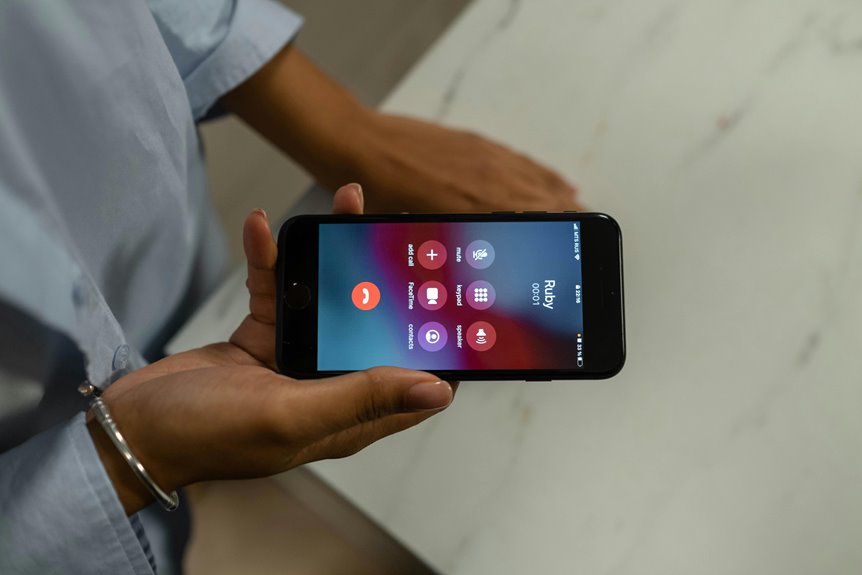
The Caller Safety Insight Hub integrates spam call number lookups with verification searches to assess legitimacy. It combines origin data, timing, and behavior against benchmarks to reduce ambiguity in caller IDs. Analysts interpret flags through structured criteria, weighting signals against baselines to safeguard trust. Practically, users verify data before contact and rely on authenticated results, documented with consistent methods, leaving unanswered questions about how to apply these signals in real-world decisions. The path forward warrants closer examination.
What Is Spam Call Lookup and Verification?
Spam call lookup and verification are processes used to identify and confirm the legitimacy of incoming calls. The concept centers on assessing data from call patterns, sources, and contextual signals to determine trustworthiness. Spam lookup aggregates indicators, while verification signals indicate authenticity. Together, they empower users to decide openness or caution, supporting freedom through informed communication choices and safer connectivity.
How Verification Searches Improve Caller ID Trust
Verification searches refine the trust signals associated with Caller ID by systematically evaluating caller information against known patterns of legitimacy. They reduce ambiguity by corroborating origin data, timing, and behavior with established benchmarks. This process strengthens caller trust through transparent validation, enabling users to discern legitimate inquiries from fraudulent attempts. Informed confidence emerges, supported by ongoing verification searches and consistent data governance.
Interpreting Spam Flags and Signals
Interpreting spam flags and signals requires a structured approach to distinguish legitimate calls from deceptive attempts. Analysts assess patterns, frequency, and context to identify credible indicators without bias. Spam signals are weighed against known baselines, enabling informed judgments. Clear criteria safeguard caller trust, enabling discernment between nuisance activity and genuine outreach, while maintaining autonomy and informed choice in communications.
Practical Steps to Use the Hub Safely and Effectively
Users should adopt a structured approach when using the hub to ensure safety and effectiveness: begin with a clear aim, verify caller information, and proceed only with authenticated data.
The guidelines emphasize spam detection, caller trust, verification searches, and safety steps, enabling precise assessment.
Practitioners maintain neutrality, document results, and apply consistent verification criteria to uphold reliability and empower informed decisions.
Conclusion
The hub’s verification framework consolidates signals into a coherent trust profile for each number, transforming scattered data into actionable clarity. By cross-checking origin, timing, and behavior against benchmarks, it reduces ambiguity and strengthens caller-ID reliability. Analysts apply standardized criteria, ensuring neutrality and consistency. Practically, users can verify before contact, rely on authenticated data, and follow documented methods. In effect, the system paints a precise, cautionary image: trusted, transparent communication is earned through disciplined verification.