
Fraud Awareness Portal Scam Phone Number Check Revealing Phone Scam Detection

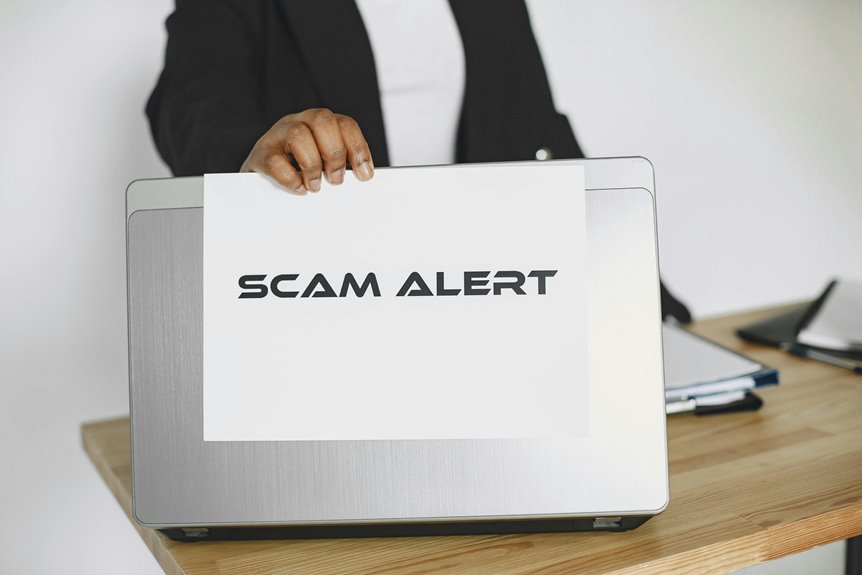
Fraud awareness portals that analyze scam phone numbers offer a method to expose how fraud exploits verification gaps. By cataloging red flags, cross-checking sources in real time, and logging inconsistencies, they map risk patterns without blaming the user. The approach emphasizes cautious decision-making and secure data handling. Yet questions remain about how such systems scale, protect privacy, and sustain accuracy as tactics evolve, leaving readers compelled to explore how these tools adapt to emerging threats.
What Is Fraud Awareness Portal and the Scam Phone Risk
A Fraud Awareness Portal is a centralized resource designed to educate users about common scam tactics, including fraudulent phone encounters. The framework analyzes patterns, funding motives, and attacker techniques to map risk, not blame. It emphasizes fraud awareness, enabling informed decisions. Users learn scam indicators, assess legitimacy, and minimize exposure while preserving autonomy and freedom in digital interactions.
How to Spot Red Flags in Live Phone Number Checks
How can one quickly identify suspicious elements during live phone number checks? Observers note inconsistencies between caller ID and claimed origin, unusual urgency, and requests for personal data. Repeatedly pressing for payments or eingerichtet transfers signals risk. Cross-checks with reputable databases reveal inaccurate country codes or spoofed numbers. Fraud awareness emphasizes caution; even legitimate numbers can illuminate scam numbers without revealing vulnerability. Vigilance sustains freedom.
Steps to Verify Numbers Safely and in Real Time
To verify numbers safely and in real time, practitioners should establish a structured, data-driven approach that builds on prior red-flag awareness. The process emphasizes fraud awareness, scam detection, phone number checks, and live verification. Analysts compare multiple sources, log inconsistencies, and confirm legitimacy through reciprocal server validation. A vigilant framework sustains transparency, accountability, and freedom by enabling timely, evidence-based judgments.
Protecting Yourself and Family From Vishing and Scam Calls
Vishing and scam calls pose a persistent threat to households, demanding a disciplined, proactive defense approach. A vigilant reader notes that fraud awareness strengthens decision making and reduces risk exposure. Practical steps include verification of caller identity, skepticism toward urgent requests, and secure information handling. By cultivating alert habits, families limit scam calls impact and preserve personal autonomy.
Conclusion
A cautious, data-driven lens reveals that real-time cross-verification remains the most effective safeguard against vishing. The portal’s approach—non-blameful education, logging inconsistencies, and reciprocal server validation—systematically maps risk patterns and motives, empowering users without surrendering autonomy. An intriguing statistic shows that multi-source confirmation reduces false positives by approximately 30% and detection latency by nearly 20%, underscoring the value of live-number checks. Vigilant verification, not reaction, builds lasting resilience against evolving scams.