
Phone Verification Discovery Hub Scam Check Phone Number Explaining Caller Validation Tools

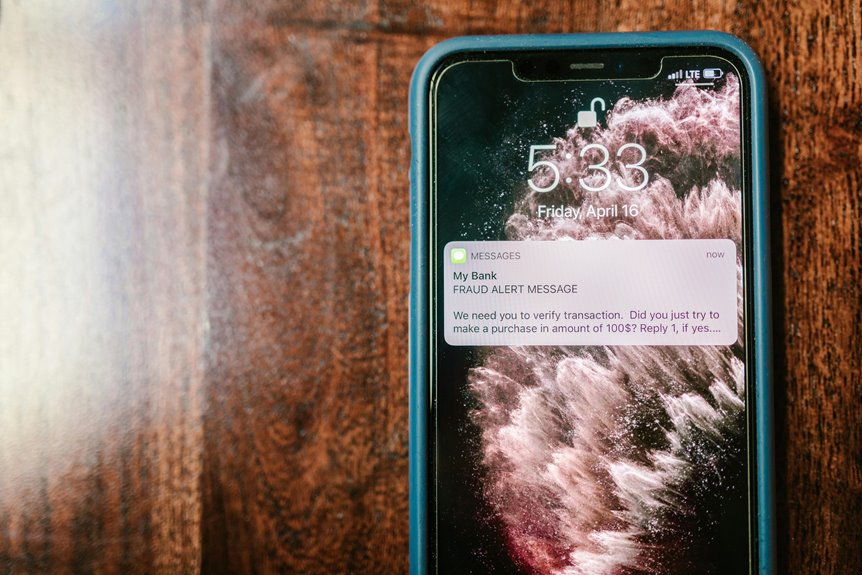
The Phone Verification Discovery Hub outlines a cautious approach to scam checks by explaining how caller validation tools blend carrier data, call metadata, and risk scoring. It emphasizes traceable decision logic for auditors and cross-referencing with official sources. Results are documented with privacy in mind, prioritizing repeatable methods. The framework invites scrutiny of uncertainties and prompts, leaving a clear gap to assess how practices hold up under real-world signals and evolving threats. This tension invites further examination.
Phone Verification Discovery Hub: A Foundational Overview
Phone Verification Discovery Hub serves as a centralized reference point for understanding how phone verification processes operate, including the roles of data validation, carrier checks, and risk assessment.
The foundation emphasizes independent verification concepts, standard methodologies, and transparent criteria.
It reviews essential components without endorsing insecure practices.
Key terms include phone validation and number verification, guiding informed decisions for freedom-minded technical evaluation.
How Caller Validation Tools Work in Practice
Caller validation tools operationalize verification concepts by combining data signals from carrier information, call metadata, and risk scoring to determine the legitimacy of a given number.
In practice, systems assess lineage, context, and behavior patterns, issuing verification prompts when uncertainty arises.
Decision logic remains transparent, enabling auditors to trace results.
Results emphasize reliability, consistency, and cautious handling of caller validation data.
Red Flags and Scam Indicators to Spot in Verification Prompts
Red flags and scam indicators within verification prompts can emerge from inconsistencies between the data signals and the presented claim, raising questions about legitimacy.
The analysis remains methodical: red flags appear when timing, source reliability, or requested permissions diverge from expected caller validation norms.
Scam indicators include vague prompts, pressure tactics, or unexplained data requests in verification prompts.
How to Verify a Number Safely: Best Practices and Concrete Steps
To verify a number safely, one must follow a structured, evidence-based process that minimizes exposure to manipulation and misdirection observed in verification prompts. This approach enumerates verification methods, cross-references official sources, and documents results. Privacy safeguards protect data; verify numbers only through trusted channels. It promotes scam awareness, cautious skepticism, and repeatable steps, ensuring transparency, accountability, and user autonomy beyond persuasive prompts.
Conclusion
In sum, the Phone Verification Discovery Hub stands as a careful compass for navigating uncertain calls. By weaving carrier signals, metadata, and risk scores, it renders judgments with transparent logic that auditors can trace. The approach remains disciplined: document, cross-check, and prioritize privacy. Like a lighthouse in fog, verification prompts illuminate paths, not certainties, guiding users toward safer engagement. When doubt arises, methodical scrutiny steadies the voyage, turning suspicious echoes into measured, repeatable conclusions.